




Just like everything else in the world, even food is coming to have its own trends. From a Mediterranean diet to a protein-rich diet, people are trying everything on the internet to be able to achieve their “ideal” body. Recently, scientists used a “gene gun” to shoot pig DNA into produce to create a protein-packed lettuce. Now, another research team is using algae proteins to create protein-enriched ketchup.According to a new study published in ACS Food Science & Technology, researchers in Russia and New Zealand experimented with adding protein extracted from Chlorella vulgaris, a protein-rich microalgae, to homemade tomato ketchup. Regular ketchup contains 1.6 per cent protein by weight. Researchers managed to increase that number to 6.3 per cent by adding algae protein. Moreover, the fortified ketchup also contained amino acids, minerals and antioxidants. It’s a ketchup so healthy that you might not want it on the side of your plate but at the centre of it.Study author Perais Adadi explained that instead of traditional protein sources such as whey, peas or soy, the scientists used the microalgae Chlorella vulgaris. This species is cultivated rapidly throughout the year and requires relatively little land and fresh water. According to Adadi, this makes it a more resource-efficient source of protein than many land-based crops.
What about the human taste?
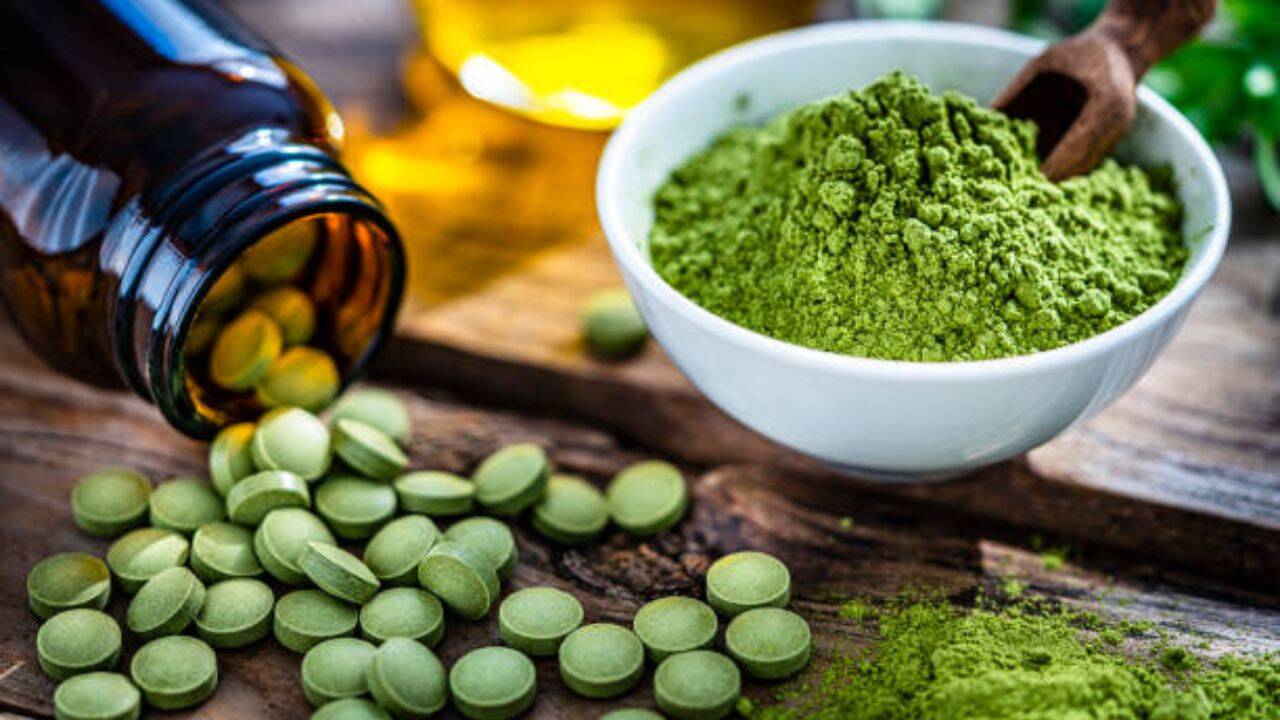
A taste panel of 15 people found that ketchup containing 1 to 3 per cent algae still looked and tasted like traditional ketchup.
The researchers did find a limit to how much algae humans are willing to put up with in their ketchup. When making ketchup, the challenge was to supplement it with protein without changing the characteristic taste. Scientists isolated the protein from C. vulgaris and prepared a sauce with an additive content of 1% to 13%. The samples were bottled, pasteurised, and given for tasting.A taste panel of 15 people found that ketchup containing 1 to 3 per cent algae still looked and tasted like traditional ketchup. Once things tipped over into the five per cent range, that’s when the unmistakable flavour of algae started to pop up.At 13 per cent, the ketchup was darker, thicker, and the algae-ness of it was dominating the flavour profile, causing its popularity to plummet. Turns out, people are willing to tolerate a precise amount of pond scum in their ketchup as long as it means a little protein boost.Researchers say that microalgae could be a sustainable protein source and can be grown year-round using just a little land and freshwater. This would make it perfect for adding a sustainable, affordable bit of protein to nearly any food on grocery store shelves.The authors believe that moderate amounts of algal protein could attract consumers and increase the nutritional value of the product. Further research includes larger-scale tastings, shelf-life tests, and industrial-scale product development.


