









Headlines

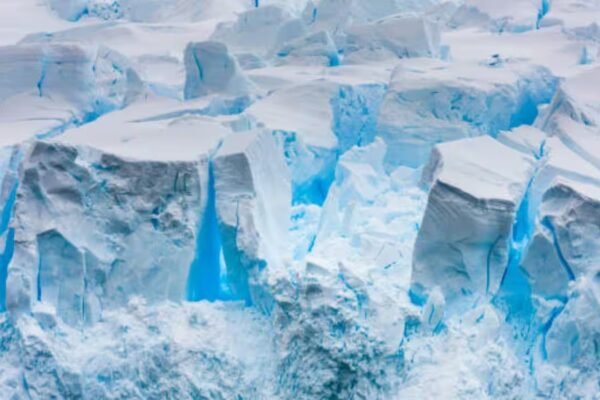
Antarctica averages minus 55°C at Vostok Station, yet a Lake Ontario-sized body of water remains liquid beneath four kilometres of ice for fifteen million years |

Antarctica is the coldest continent on Earth, featuring a deadly combination of extreme temperatures, high elevation and ice-covered terrain. The Russian Vostok Station here averages minus 55°C and on July 21, 1983, it recorded the lowest reliably measured air temperature on Earth, −89.2°C.Yet sealed beneath the white ice sheets of the region is a hidden…

Read More

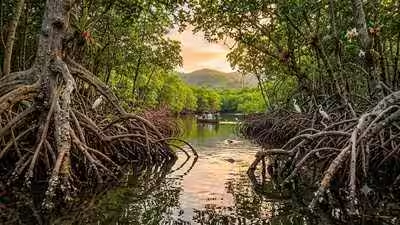
How planet’s ‘blue forests’, mangroves, protect coastlines, support wildlife and store up to four times more carbon than tropical rainforests |

Mangrove forests occupy only a tiny fraction of Earth’s land surface, yet they are among the planet’s most valuable ecosystems. Growing where land meets the sea, these salt-tolerant trees form dense coastal forests that shield shorelines from storms, provide nurseries for marine life and lock away enormous amounts of carbon. Their exceptional ability to capture…

Read More

Meet Hong Wang and Yu Deng: The first Chinese recipients of the prestigious Fields Medal after breakthroughs that reshaped modern mathematics |

Image(s): International Mathematical Union Two Chinese mathematicians have made history by becoming the first Chinese recipients of the Fields Medal, widely regarded as the highest honour in mathematics. Hong Wang and Yu Deng were recognised for solving long-standing mathematical problems that had challenged researchers for more than a century, marking a milestone not only for…

Read More

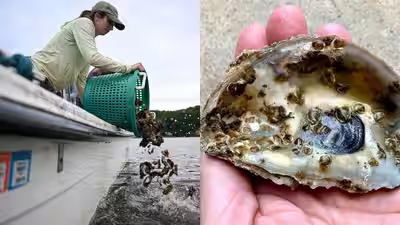
Scientists are planting 30 million oysters in the Chesapeake Bay to restore water quality and marine life in one of America’s largest restoration projects |

Millions of tiny oysters are being returned to the Chesapeake Bay in an ambitious conservation effort that scientists hope will transform one of the United States’ most important estuaries. The Chesapeake Bay Foundation (CBF), in partnership with the Severn River Association, recently planted three million juvenile oysters in a protected sanctuary reef in Maryland’s Severn…

Read More

Quote of the day by Benjamin Franklin: “Many people die at twenty-five and aren’t buried until…” – why a life without curiosity is only half-lived |

Benjamin Franklin (Image: Wikipedia) Life gets measured in years, but it is really defined by what actually happens inside them. A line widely credited to Benjamin Franklin puts that gap sharply. “Many people die at twenty-five and aren’t buried until they are seventy-five,” it goes. It is obviously not describing literal death. It is describing…

Read More

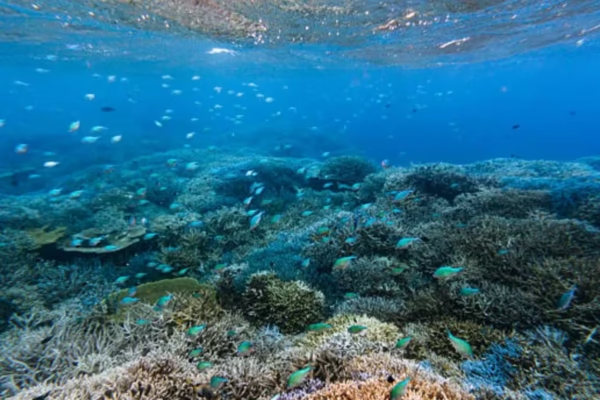
Scientists are turning seawater into a ‘blood test’ that could reveal coral reef damage before it becomes visible |

Before major surgeries and operations, doctors often detect diseases in humans using minimally invasive methods like a blood or urine test, before symptoms become severe. Now, researchers at the Woods Hole Oceanographic Institution (WHOI) are applying a similar concept to coral reefs. They have shown that the water surrounding reefs contains chemical and microbial signals…

Read More

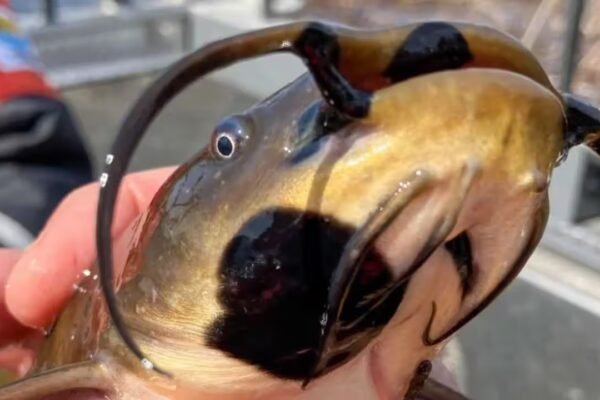
Anglers had been reporting black skin patches among catfish in Vermont lake. Now scientists have found it’s a contagious cancer affecting 30% of their population |

Tasmanian devils, dogs and shellfish are some of the only animals that are known to carry naturally occurring cancers that can pass between individuals. But scientists in Vermont have discovered a new animal species that can do the same, catfish. When they researched the mysterious black skin lesions afflicting catfish in Lake Memphremagog and other…

Read More

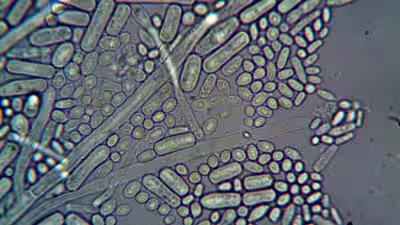
German scientists discovered naturally occurring microbes that removed 95% of dissolved uranium from contaminated water |

A team of scientists has uncovered a naturally occurring microbial process that could change how uranium-contaminated water is cleaned up. Studying bacteria living in the flooded Königstein uranium mine in Germany, the researchers discovered that certain microorganisms can transform highly soluble uranium into a rare, stable mineral that remains locked in place instead of spreading…

Read More

Quote of the day by Alan Turing: “A computer would deserve to be called intelligent if…” |

Two people can watch the exact same machine respond to a question and reach completely different conclusions about what just happened. One assumes anything convincing enough must be simulating a mind somewhere underneath. The other insists that convincing behaviour and actual thought are two entirely separate things, no matter how good the imitation gets. Alan…

Read More