


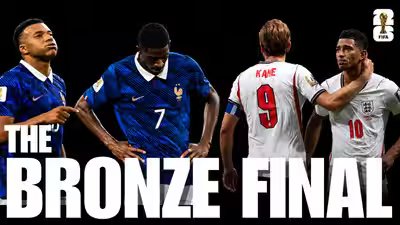
The 2026 FIFA World Cup still has one trophy left to award, but before Spain and Argentina meet in Sunday’s final, England and France will return to the pitch one last time to contest the tournament’s third-place playoff, now officially branded by FIFA as the “bronze final.”Neither side imagined their campaign ending here. England suffered late heartbreak in a dramatic 2-1 semifinal defeat to defending champions Argentina, while France’s hopes of lifting a third World Cup title ended a day earlier after a composed 2-0 defeat to Spain.Although neither nation reached the final they had targeted, there is still plenty at stake when they meet in Miami.
Why does the World Cup have a third-place playoff?
The concept is straightforward. The losing semifinalists play one final match to determine who finishes third and who finishes fourth.For FIFA, it ensures every team in the final four receives a definitive finishing position. It also fills the gap between the semifinals and the final, providing another marquee fixture for supporters, broadcasters and the host city.
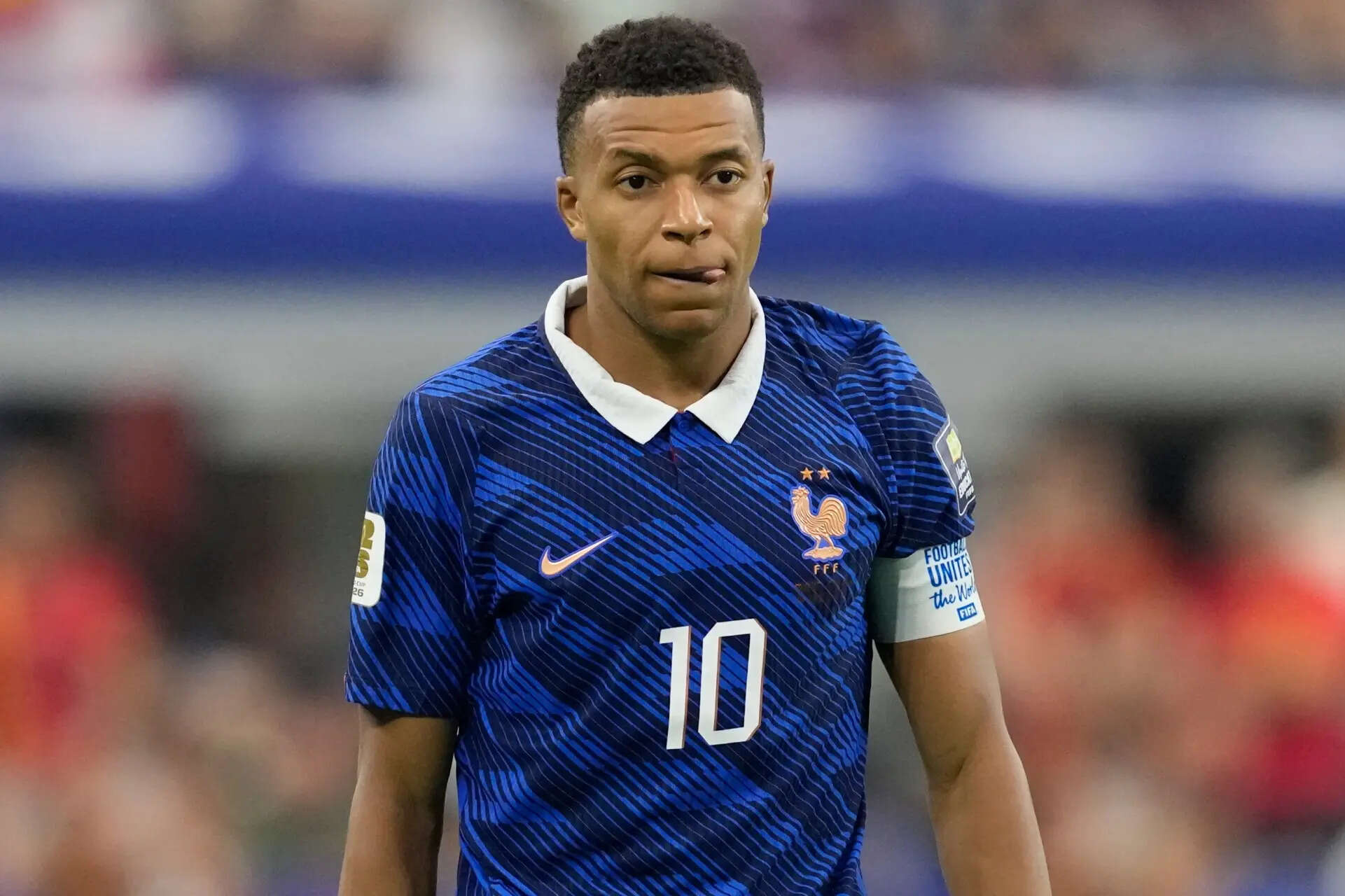
France’s Kylian Mbappe (10) reacts during the World Cup semifinal soccer match between France and Spain in Arlington, Texas, near Dallas, Tuesday, July 14, 2026. (AP Photo/Tony Gutierrez)
While some players view it as an unwanted extra game after the disappointment of missing the final, others embrace the opportunity to finish the tournament with a victory and a podium finish. It is also, more often than not, a very exciting contest, a clash between two elite teams who were unbeaten deep into the tournament and simply fell short at the final hurdle. In the case of England and France, both sides boast world-class attacking talent, Golden Boot contenders, and players capable of producing hat-tricks on the biggest stage, making this far more than just a consolation match.
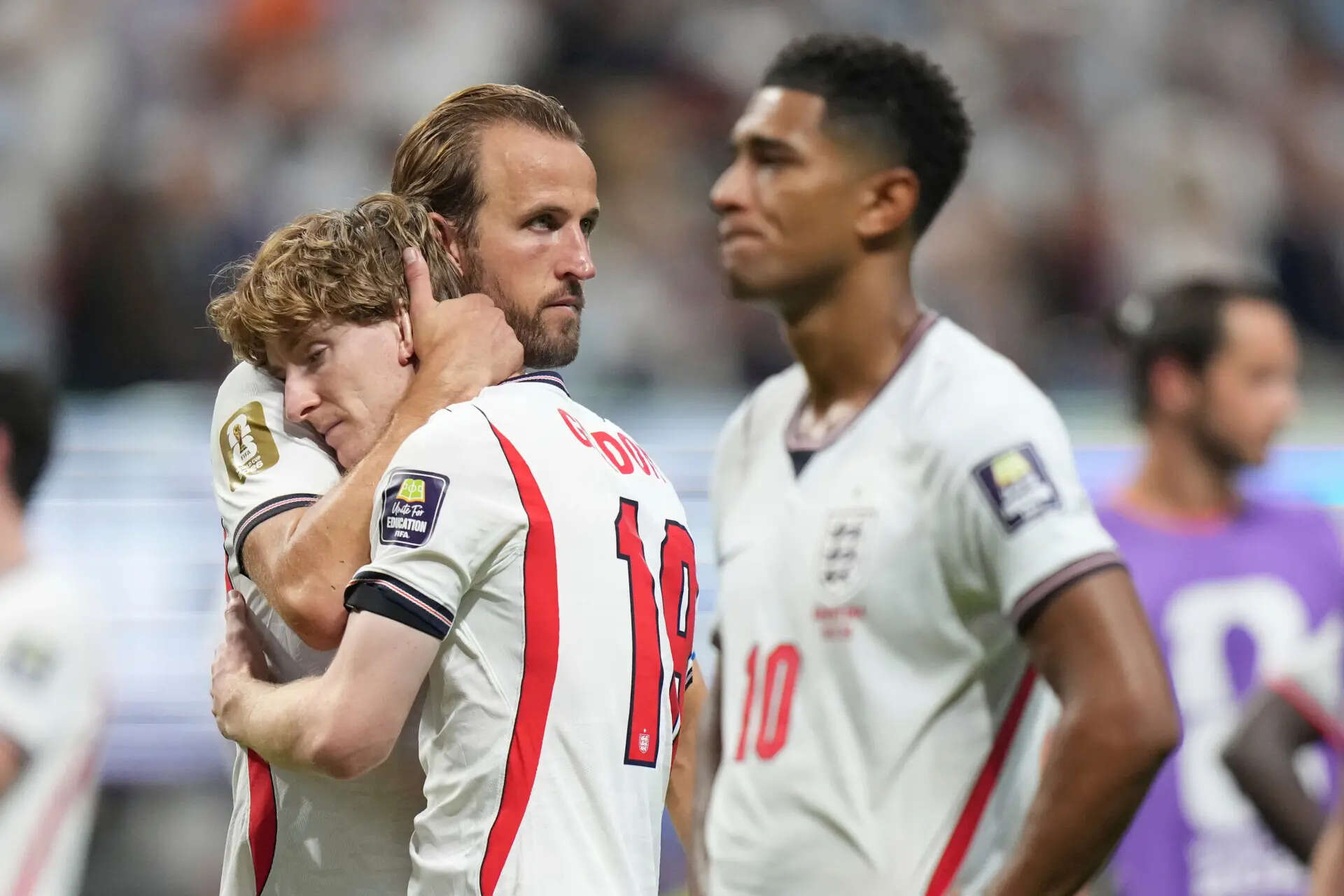
England’s Harry Kane (9) hugs England’s Anthony Gordon (18) after the World Cup semifinal soccer match between England and Argentina in Atlanta, Wednesday, July 15, 2026. (AP Photo/Stephanie Scarbrough)
How long has it existed?
The third-place playoff has been part of World Cup history for almost its entire existence. It was first introduced at the 1934 FIFA World Cup in Italy, where Germany defeated Austria 3-2 to finish third. The match was also staged at the 1938 tournament in France, before disappearing at the 1950 World Cup in Brazil. That edition used a unique final round-robin group to determine the champion rather than a traditional knockout stage, meaning there were no semi-finals and therefore no third-place playoff. The fixture returned at the 1954 World Cup in Switzerland and has featured at every tournament since.Interestingly, there was no third-place playoff at the inaugural 1930 World Cup in Uruguay, which featured 13 teams from three confederations. Instead, the losing semi-finalists, United States and Yugoslavia, were ranked based on their overall tournament records, with the United States officially finishing third and Yugoslavia fourth.
Does it count towards official records?
Yes. The match is a fully recognised World Cup fixture, meaning every statistic recorded counts officially.Goals scored contribute towards:
- The Golden Boot race.
- Individual World Cup scoring records.
- Career World Cup appearances.
- Assists and disciplinary records.
One of the most famous examples came in 1958, when France’s Just Fontaine scored four goals in a 6-3 victory over West Germany. Those goals took his tournament tally to 13, a World Cup record that still stands today.
Why this year’s game matters even more
This edition’s bronze final could have a significant impact on the race for the Golden Boot.After the semifinals, the standings are:
- Lionel Messi (Argentina): 8 goals, 4 assists
- Kylian Mbappé (France): 8 goals, 3 assists
- Erling Haaland (Norway): 7 goals
- Harry Kane (England): 6 goals, 1 assist
- Jude Bellingham (England): 6 goals, 1 assist
Messi currently leads because assists act as the first tiebreaker when players finish level on goals. However, with Argentina not playing again until the final, Mbappé still has one opportunity to draw level or move ahead during Saturday’s playoff. Kane and Bellingham also remain mathematically in contention, although they would require multiple goals.
Is there a trophy?
Not exactly.The winning team officially finishes third and receives bronze medals, but there is no separate trophy presented.There is, however, a financial incentive.FIFA’s prize money for the top four teams is:
- World Cup winners: $51 million
- Runners-up: $34 million
- Third place: $30 million
- Fourth place: $28 million
That means victory in the bronze final is worth an additional $2 million compared with finishing fourth.
How have England and France performed in previous bronze finals?
France are making their fourth appearance in the match and have enjoyed far more success historically.Their previous results are:
- 1958: Beat West Germany 6-3
- 1982: Lost to Poland
- 1986: Beat Belgium 4-2 after extra time
England, meanwhile, are still searching for their first third-place playoff victory.Their previous appearances ended in defeat:
- 1990: Lost 2-1 to hosts Italy
- 2018: Lost 2-0 to Belgium
The most recent bronze final saw Croatia defeat Morocco 2-1 at the 2022 World Cup.
A fixture that usually produces goals
Despite often being labelled the tournament’s least glamorous match, history suggests the bronze final is rarely short on entertainment.Since Poland’s 1-0 victory over Brazil in 1974, every World Cup third-place playoff has featured at least two goals, making it one of the tournament’s consistently highest-scoring fixtures, a trend reflected in recent editions:
- 2022: Croatia (beat Morocco 2-1)
- 2018: Belgium (beat England 2-0)
- 2014: Netherlands (beat Brazil 3-0)
- 2010: Germany (beat Uruguay 3-2)
- 2006: Germany (beat Portugal 3-1)
- 2002: Turkey (beat South Korea 3-2)
What have the managers said?
Neither Thomas Tuchel nor Didier Deschamps has hidden the disappointment of missing out on the final.Deschamps said: “There’s a third-place finish to play for, so we’ll do everything we can to get it. We’re not where we wanted or expected to be. The disappointment matches our ambitions, but we have to accept it.”Tuchel admitted the emotional challenge facing both squads.“Nobody of our players, nobody of the French players wants to play this match. They want to play in the final. We gave everything to be in the final. Everyone plays to win the World Cup, but it is what it is.”England and France will meet at Miami Stadium in Florida.For viewers in India, kickoff is scheduled for 2:30 AM IST on Sunday, July 19, while the winner will leave the United States with bronze medals, an extra $2 million in prize money and, perhaps most importantly, the chance to end their World Cup campaign with one final victory before attention turns to Sunday’s blockbuster final between Spain and Argentina.


