


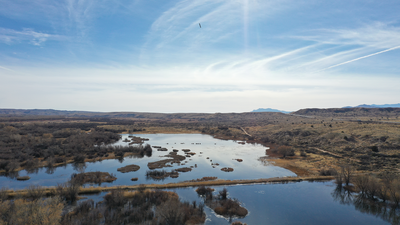
Every winter, migratory ducks, geese and cranes arrive at wildlife refuges in the south-western United States, and managers must count them. Traditional methods can be difficult and imprecise, and some involve flushing birds into the air. According to the University of New Mexico, researchers working with the US Fish and Wildlife Service are developing a machine-learning model that counts birds from drone images. Early indications suggest it can detect birds with 95% accuracy, though it remains in development. Volunteers on the Zooniverse website are helping to train it by labelling birds in the images.
How will drones and AI help researchers count migratory birds
UNM researchers are working with the US Fish and Wildlife Service, part of the Department of the Interior, on a project titled Drones for Ducks. The aim is a machine-learning model prototype that can count birds from images taken by drones. Christopher Lippitt, associate dean in the College of Arts and Sciences and a professor in the Department of Geography and Environmental Studies, and Rowan Converse, a PhD candidate in the same department, have spent three years developing the model.The idea began around a campfire on a trip organised by the state chapter of the American Society for Photogrammetry and Remote Sensing. Steven Sesnie, a spatial ecologist with the US Fish and Wildlife Service, raised the difficulty of counting migratory birds. Lippitt, who specialises in remote sensing and spatial modelling, proposed using AI for the counts. The project is funded by the US Fish and Wildlife Service and is on its third research award.
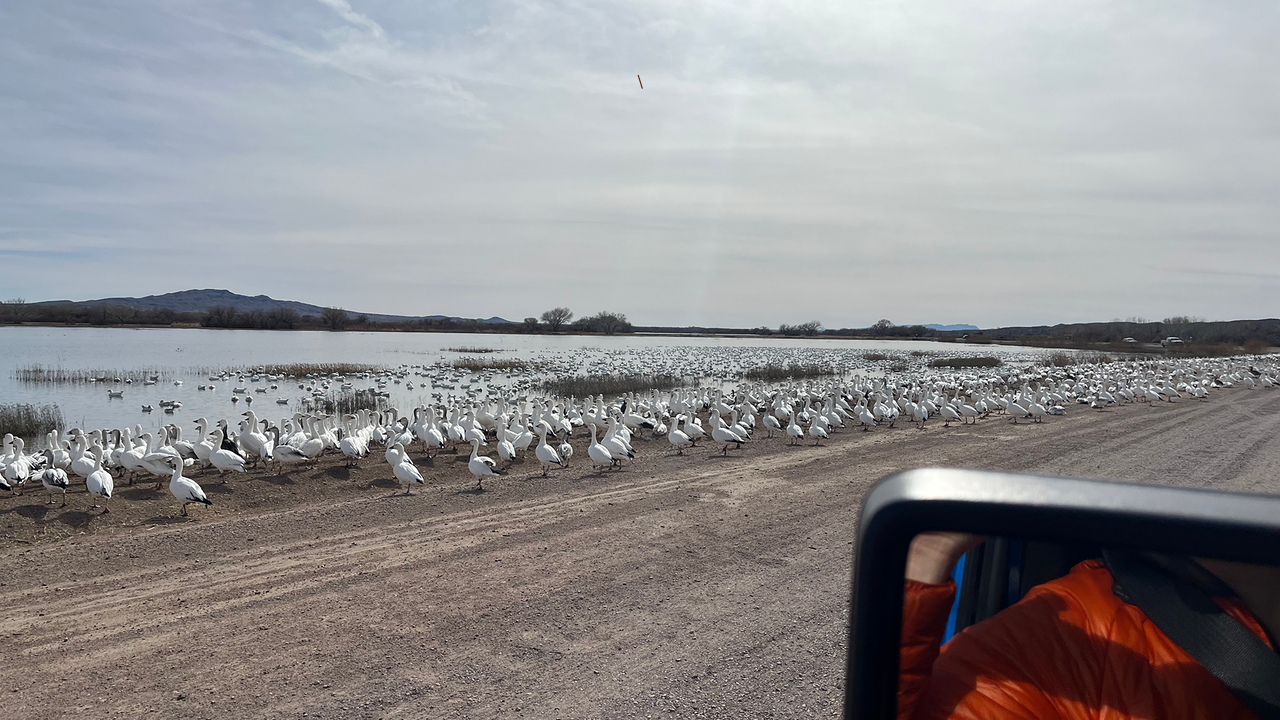
PC: University of New Mexico
How accurate is the bird-counting model
Early indications suggest the model can detect birds with 95% accuracy, according to UNM, though it is still in development. This winter, the team planned to test the technology in a complete waterfowl survey for the first time and compare the results with those gathered by wildlife managers using traditional methods. Fieldwork was planned in Bosque Del Apache and the Texas Chenier Plain Refuge Complex, and the project’s first-ever waterfowl survey took place at Bosque Del Apache earlier in November 2023.UNM reports that accurate counts help measure how bird populations have been affected by climate change and whether managers need to put out additional food. Converse said she hopes the method will be “less disruptive for wildlife”, noting that many species do not seem to react much to the drone flying over, whereas some traditional methods involve flushing birds out to count them. The team also hopes the system will give managers faster access to the information they use in intervention decisions.
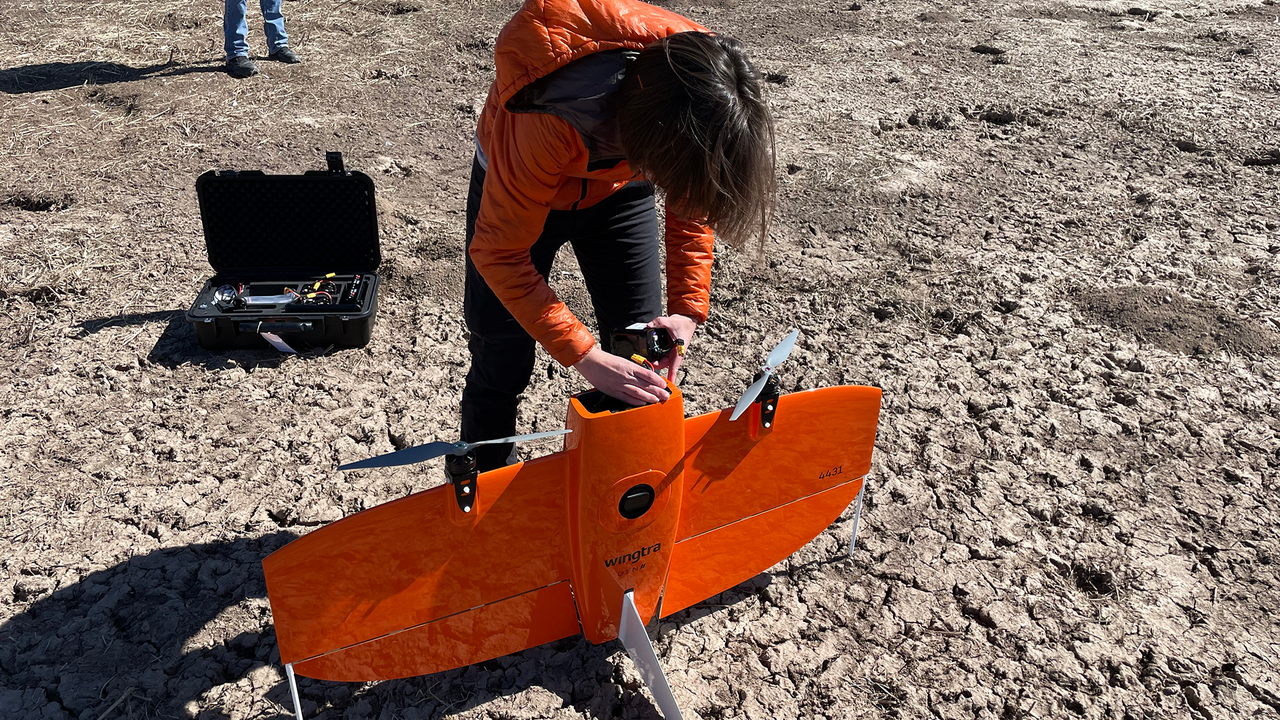
PC: University of New Mexico
How are Zooniverse volunteers helping train the bird-counting AI
UNM says other universities are building models that count birds in snow or on water. Its own research is unique in exploring detection in more varied landscapes, such as farm fields, flooded wetlands and river sandbars. Training a computer to judge such varied imagery takes time and many volunteers.The researchers use Zooniverse, a website where anyone can take part in research as a citizen scientist. Volunteers view drone images, mark objects that appear to be birds and identify each as a goose, duck or crane. UNM says the information is then reviewed and filtered, and if a majority of volunteers agree on something, it is generally accepted as true. According to the Zooniverse, the project launched on 11 May 2021 and has 7,621 volunteers and 549,083 classifications. Its active workflow, “Duck Or Not”, is 100% complete, with all 1,225 subjects finished, and the project is paused while the next season of data is gathered. The UNM article said volunteers would be needed again in February 2024, once the new images from the winter surveys were ready.


