


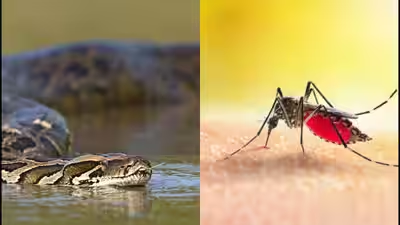

Soon a mosquito may be assigned the job of hunting one of the Everglades’ most elusive predators. For the uninitiated, Burmese pythons are one of the most concerning invasive species in South Florida, as they can hide in dense vegetation, wetlands, and remote areas, making them notoriously difficult to find. Now, researchers have examined a strange strategy: allowing mosquitoes to discover where the giant snakes may be lurking. In the journal PLOS ONE, a study by Lawrence E. Reeves called “Interactions between the invasive Burmese python, Python bivittatus Kuhl, and the local mosquito community in Florida, USA,” appears to suggest something beyond imagination, where it is thought that mosquitoes might become python detectives. The idea was based on doctoral research by Lawrence Reeves, a post-doctoral researcher at the University of Florida Institute of Food and Agricultural Sciences Florida Medical Entomology Lab in Vero Beach. Reeves and his research team examined the interactions between Burmese pythons and mosquitoes, an ecological relationship that had been largely ignored. While the effects of pythons on the animals they eat are fairly obvious, we know much less about their interactions with animals that eat them or otherwise interact with them. The researchers collected mosquitoes from a Burmese python facility in Florida, where the snakes were housed in outdoor cages. And when they examined the blood within the mosquitoes, they found Burmese python DNA in the blood meals of three different species of mosquito. The discovery also opened up the unlikely possibility that mosquitoes could one day serve as biological trackers of hidden pythons. Scroll down for the details.
How the technique would work
“While a mosquito is feeding, it ingests blood from its host,” the research paper reads. And if you can get the DNA from that blood meal, you might be able to tell what animal the insect was feeding on most recently. This means that mosquitoes caught in the wild could provide clues to the presence of Burmese pythons in an area. Rather than searching every marsh or clump of vegetation for a well-camouflaged snake, researchers could simply gather mosquitoes and test their blood meals for python DNA. This technique could be used to produce tiny biological surveillance devices from common insects.
Why Burmese pythons are so hard to find
Burmese pythons are a major detection challenge because they are extremely adept at avoiding humans, the study shows. Their coloration and semi-aquatic lifestyle provides them with camouflage and the ability to inhabit hard-to-reach wetlands and more remote habitats. They are large, and thus may seem easy to spot, but often the opposite is true. A python can hide itself in the vegetation or in places that are hard for people to reach.Researchers have tried various methods to locate the invasive snakes, including volunteers searching for pythons, specially trained detection dogs, and experienced snake hunters from India’s Irula community. All methods have their limitations; manual searches can be time-consuming, and remote terrain makes access difficult. Mosquito-based detection could be another possible tool for identifying areas with pythons.
From snake tracking to ecosystem surveys
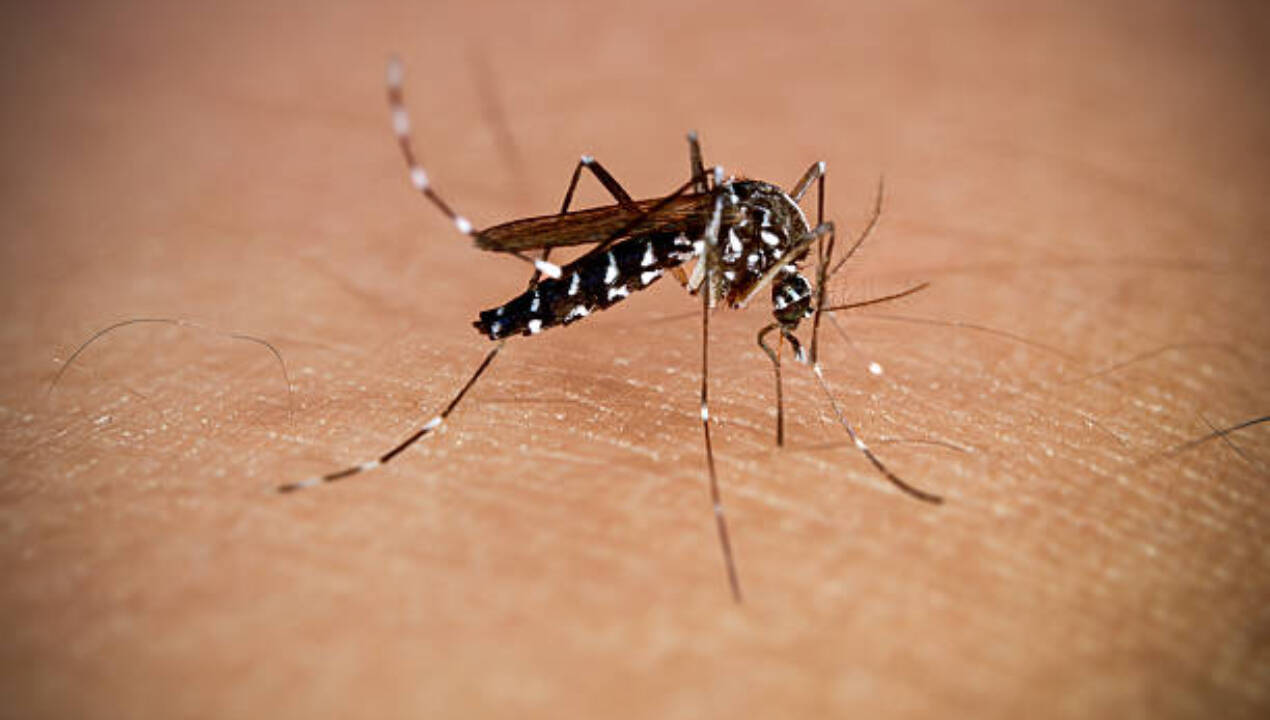
Mosquitoes can travel through areas that are hard for researchers to access directly, and they can potentially provide biological clues from places not easily reached by humans.
The team believes the method can be used for more than just locating individual pythons. Testing mosquitoes for python DNA could help scientists track the invasive snakes and conduct biodiversity surveys. Mosquitoes can travel through areas that are hard for researchers to access directly, and they can potentially provide biological clues from places not easily reached by humans. The technique would not necessarily replace current methods of catching or removing pythons. Instead, it can help researchers narrow their search and identify places worth a closer look.
Could mosquitoes spread diseases from pythons?
This finding raises another important scientific question. Would mosquitoes that feed on Burmese pythons be able to pick up pathogens from the snakes and transmit them to other animals? Scientists have previously studied connections between mosquitoes, snakes and diseases. Other snakes are believed to be involved in transmission of viruses such as West Nile virus and Eastern equine encephalitis virus. Burmese pythons are also vulnerable to infection with some pathogens. Studies have found that snakes can become infected with the chikungunya virus and then infect mosquitoes, but the wider significance of this route is unknown. That’s why scientists want to know if mosquitoes feeding on Burmese pythons could help spread disease in the ecosystem of the Everglades.
A little bug with a major potential role
The finding illustrates how research on invasive species can go off in unexpected directions. A mosquito may be a tiny irritant compared to a giant python, but the blood it drinks can contain valuable genetic information about the animals it’s encountered. If researchers can make this approach work in the wild, mosquito surveillance could be another weapon in the fight to track Burmese pythons across South Florida. Right now the research is an interesting possibility: Instead of asking humans, dogs, or trained snake hunters to find the hidden pythons, scientists may be able to ask the mosquitoes where they have been.Images Courtesy: istock


