


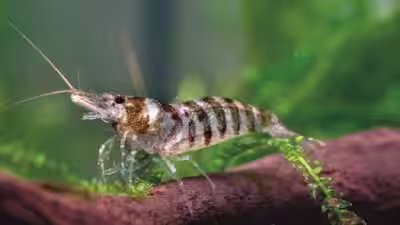
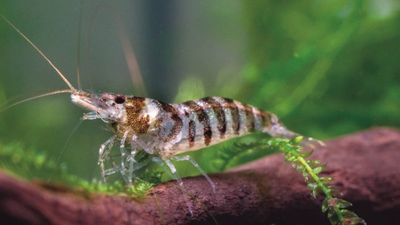
An ecosystem collapse in Montana remains a lasting lesson in how well-intentioned wildlife management can have devastating consequences. When state wildlife officials introduced a non-native, tiny crustacean into nearby lakes in 1968, the goal seemed simple. They believed stocking the opossum shrimp, Mysis diluviana, would provide an extra food source and help increase populations of kokanee salmon. Instead, the move set off a chain reaction across Flathead Lake, causing the salmon population to collapse and removing a major autumn food source for hundreds of migrating bald eagles and grizzly bears. The full scale of the ecological change was described in research by Craig N. Spencer, B. Richard McClelland, and Jack A. Stanford, published in the journal BioScience under the title Shrimp stocking, salmon collapse and eagle displacement: Cascading interactions in the food web of a large aquatic ecosystem. Long-term records from the University of Montana’s Flathead Lake Biological Station (FLBS), along with studies published in the Proceedings of the National Academy of Sciences (PNAS), also showed how one introduced species changed an entire landscape.
A fatal mismatch in the water column
For decades, non-native kokanee salmon, introduced to Flathead Lake in 1916, had thrived. Every autumn, hundreds of thousands of salmon swam upstream into McDonald Creek inside Glacier National Park to spawn and die. The predictable event attracted one of the largest seasonal gatherings of bald eagles in North America. Resident grizzly and black bears also depended on the dead fish to build up the fat they needed for winter. Wildlife managers hoped that stocking opossum shrimp in upstream lakes, including Whitefish Lake and Ashley Lake, would help salmon grow and increase sport fishing. The shrimp eventually moved downstream and formed a large population in Flathead Lake by the late 1970s. But the plan failed because the two species behaved very differently. Opossum shrimp avoid light. During the day, they stay near the dark, cold bottom of the lake and rise toward the surface only at night. Kokanee salmon, on the other hand, are visual feeders that hunt during daylight near the surface. Because the shrimp were hiding deep in the lake when the salmon were feeding, the salmon could not make use of them as food.
Food web competition and a predator boom
Instead of feeding the salmon, the shrimp became competitors. At night, they moved upward and fed heavily on microscopic cladoceran zooplankton, especially Daphnia. These tiny organisms were a major food source for young kokanee salmon. As the shrimp population grew, reaching average densities of 130 per square metre by 1986, the zooplankton community declined, leaving young salmon with less food. At the same time, the shrimp created an unexpected advantage for another non-native fish: the lake trout. Lake trout mainly live near the bottom of the lake, where they could easily feed on the deep-dwelling shrimp. For decades, lake trout had remained at relatively low numbers in Flathead Lake because young fish had limited access to food on the lake floor. The arrival of millions of shrimp removed that limit and gave young lake trout a plentiful food supply. As lake trout numbers increased, larger trout began eating more of the remaining kokanee salmon. The kokanee were now facing starvation at the surface and heavier predation from below. Their population collapsed within a few years. By 1989, the famous salmon spawning runs in McDonald Creek had disappeared completely.
Widening ripples across land and air
The loss of salmon quickly affected wildlife around the lake. In the mid-1980s, observers regularly counted more than 600 bald eagles along McDonald Creek during the peak autumn spawning period. By the early 1990s, after the salmon collapse, eagle numbers at the creek had fallen to almost zero. The birds had to spread across the region to find other food, increasing the challenges they faced during harsh winters. Grizzly and black bears also lost a concentrated source of protein before winter hibernation. They were forced to change their seasonal feeding patterns across Glacier National Park. Research compiled by C. P. Stafford and colleagues, along with long-term data from Montana State University’s Master of Science in Science Education (MSSE) resources, shows that the food web change became permanent. The introduction of Mysis changed Flathead Lake from an open-water fishery dominated by salmon into a deep-water fishery dominated by non-native lake trout and lake whitefish.Native fish were affected too. With kokanee gone, growing lake trout populations began preying more heavily on native bull trout and westslope cutthroat trout, pushing both species into serious decline. Decades after the first shrimp were released, Flathead Lake remains shaped by the altered food web. It stands as an important case study in conservation biology, showing the unpredictable and far-reaching risks of moving species from one ecosystem into another.


