


My earliest memory of chess is from when I was seven years old.Walking into the venue of my first international tournament, my hand tucked inside my mother’s, I stopped beneath the emblem of FIDE, the international federation governing chess. Three words, printed in a language I didn’t understand, caught my eye. Gens Una Sumus.As I stood there trying to make sense of them, my mother gently squeezed my hand and reminded me that my game was about to begin.Afterwards, I found her waiting in a quiet corner of the dining area and asked what the words meant. She searched on her phone and told me they were Latin for: “We are one family.”Since then, I have seen those words at tournaments across the world.
CJP Jantar Mantar Protest Updates
Most players walk beneath them without noticing. I still do. They remind me that every time I enter a tournament hall, I am stepping into a community bound by shared values.Years later, I learned that the phrase predates modern chess by more than fifteen centuries. It comes from the Roman poet Claudian, whose words were later adopted by the chess world. Their meaning evolved – from describing one people to reminding us that, through chess, we become one family.That may sound like an ambitious motto for a sport. But after years of travelling to tournaments, I have come to believe it reflects the reality of chess.Chess is one of the few sports where almost anyone can compete on equal terms. You don’t need expensive equipment or a particular physique. The board is the same in Reykjavik as it is in Chennai. Tournaments are held in grand hotels, school auditoriums and community halls, yet the rules never change. In most open events, anyone can enter.That means a child who learned the game only a few years earlier can be paired against someone who has spent decades playing it.
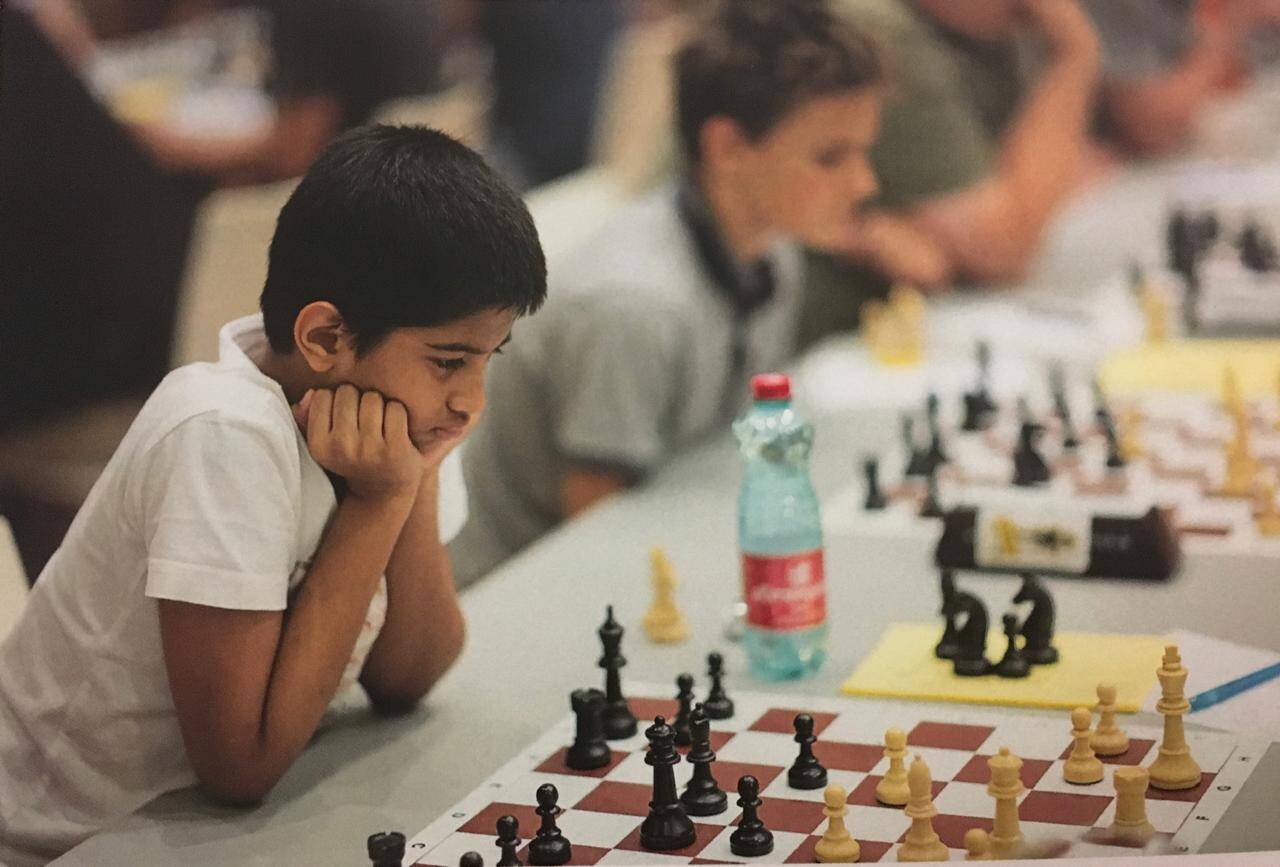
I experienced that when I was eight years old in a town nestled in the Austrian Alps. My opponent was a man in his fifties. Our game lasted more than five hours and stretched well past midnight. The organisers waited patiently for us to finish because neither of us was willing to give up a square or agree to a draw.Across the board, age no longer mattered. Neither did reputation. There were only two players trying to solve the same position.Chess also brings people physically closer than most sports. We sit just across the board from each other for hours. We notice the slightest change in breathing, how long a hand hovers above a piece, the sudden stillness after a mistake, or the quiet confidence that follows a good move.Then the game ends. We shake hands. We reset the pieces.And more often than not, we sit down again – this time beside each other rather than opposite each other – to analyse what happened.“I should have castled here.”“No, I think the problem started earlier. Look at your knight.”Only moments earlier, we were trying to outthink each other. Now we are trying to understand the game together.That has always fascinated me.Victory and defeat matter deeply while the clock is running. But once the clocks stop, curiosity usually takes over. Opponents become collaborators. Together, we search for the moment the game changed and help each other discover what we had both missed.Perhaps that is what Gens Una Sumus has come to mean to me.Chess does not erase differences. Tournament halls still contain rivalry, disappointment, ambition and, sometimes, genuine dislike. It is far from a perfect world.But it repeatedly places strangers across from one another and asks them to engage with respect. For a few hours, the person sitting opposite cannot be reduced to a nationality, an age, a rating or a stereotype. Every move demands that you take them seriously.When I first saw those three Latin words at the age of seven, I knew nothing about their history. I didn’t know they had travelled across centuries before finding a home in the chess world.I only knew they made me stop.Today, after years of sitting across the board from people older and younger than me, from countries I had never visited and cultures I knew little about, I understand them differently.Every tournament begins with sixty-four squares.Many end with one more human connection.Gens Una Sumus.We are one family.(Aarav Dengla is India’s 83rd Grandmaster. He is a keen observer and student of the world history in general and chess history in particular)


