


A single third of the world’s agricultural land is responsible for roughly two-thirds of all farming-related biodiversity loss and the loss of natural carbon storage, according to a global study published in Nature Food.The research, led by scientists from Leiden University’s Institute of Environmental Sciences (CML), together with experts from the Oxford Martin School at the University of Oxford and China Agricultural University, maps the environmental damage caused by food production in greater detail than previous studies. The findings show that agricultural damage is concentrated in certain regions and is strongly linked to a small number of food products, especially beef and dairy.By studying carbon storage loss and the risk of species extinction together, the researchers say governments and conservation groups can focus on these farming hotspots to make progress on both climate change and nature protection.
High-impact geographic hotspots
Agriculture now covers more than 40 per cent of the Earth’s habitable land. The conversion of natural habitats into farmland has permanently removed an estimated 300 billion tonnes of stored carbon. This is equal to about 140 years of agricultural emissions at current rates. Land conversion for farming has also put around 14 per cent of the world’s species at risk of extinction.But the damage is not spread evenly around the world. The study identifies major environmental hotspots in parts of South America, Central America, sub-Saharan Africa, South-East Asia, India, and China.Lead author Baoxiao Liu, a researcher at Leiden University’s CML, says these hotspots are found where farming overlaps with areas that are especially important for nature and carbon storage.‘These are mainly regions where agriculture is either very intensive or takes place in ecosystems that naturally store large amounts of carbon and are rich in biodiversity, such as tropical forests,’ Liu explains. ‘When these areas are converted into farmland, both values are lost at the same time.’The concentration of damage is even greater when only carbon loss is considered. Half of all agricultural carbon loss comes from just 12 per cent of the world’s farmland.
Beef and dairy have a particularly large impact
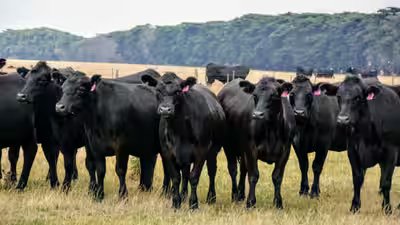
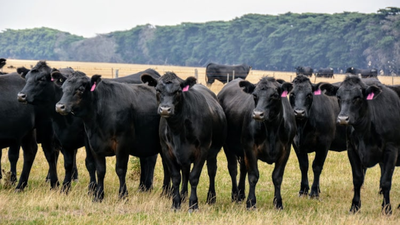
The researchers also looked at how individual agricultural products contribute to environmental damage. Animal-based foods were found to be the biggest drivers of this damage, even though they provide a relatively small share of the world’s calories.On average, animal-based foods cause eight times more carbon loss and 14 times more biodiversity loss per calorie than plant-based foods. Cattle farming has the largest impact because cattle need large areas of land for grazing, as well as land to grow feed such as maize and soy.Together, beef and milk production are responsible for 41 per cent of biodiversity loss and 29 per cent of the loss of natural carbon storage linked to global food production.‘Animal-based products, and especially products from cattle, have a disproportionately large impact,’ says Liu. ‘Cattle require large amounts of agricultural land, both for grazing and for growing feed crops.’Liu says individual food choices can add up to significant environmental effects.‘Food production on farmland has ongoing environmental costs that are often overlooked. We link long-term damage to both climate (carbon loss) and nature (biodiversity loss) to foods we currently consume. If farmland were no longer used for food, it could potentially be used for nature, helping to restore carbon stocks and provide habitat for more species. Our daily eating choices therefore have a real impact.’
Global trade shifts environmental damage
The study also examines how international trade moves the environmental impact of food production between countries. About 18 per cent of all agricultural carbon and biodiversity losses are connected to food and other agricultural products that are exported across national borders.The research shows major differences between countries. Brazil is the world’s largest net exporter of carbon and biodiversity loss linked to agriculture, largely because of its agricultural exports. China, meanwhile, is the largest net importer of these environmental impacts. International trade in meat and dairy accounts for many of the biggest flows.
Targeted restoration could bring major benefits
Earlier environmental studies often looked at carbon loss and biodiversity decline separately and used less detailed global maps. The authors of the Nature Food study say that examining both problems together and at a high level of detail shows that the same areas can offer solutions to both.The researchers estimate that allowing the 30 per cent of farmland with the highest combined environmental impacts to return to natural habitat could capture about 170 billion tonnes of carbon. This is equal to around 15 years of global fossil fuel emissions at current levels.At the same time, restoring these areas could prevent about 60 per cent of the extinction risks currently caused by agricultural land use.Professor Paul Behrens of the Oxford Martin School at the University of Oxford says climate and biodiversity policies should be more closely connected.‘Climate and nature have been treated as separate problems for too long, with separate targets and separate negotiations. Our findings show they’re often the same problem on the same piece of land, with two-thirds of the carbon damage and two-thirds of the biodiversity damage from farming happening on just a third of agricultural land. There is a huge opportunity to target the specific places and foods. The same actions can deliver for the climate and for nature at once.’Liu is also optimistic about the potential for targeted action.‘By targeting a relatively small share of agricultural land, we can already achieve major benefits,’ Liu says. ‘If we target a relatively small share of agricultural land, this can already deliver major benefits for climate and nature. The losses we see also represent potential gains. Agriculture can therefore not only be part of the problem, but also offer major opportunities to address both crises.’


