









Headlines

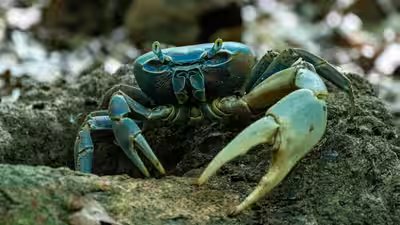
Scientists found slugs, beetles and crabs spread seeds for 186 plant species; one crab can swallow more than 1,000 in a night

How beetles and crabs help forests spread seeds When we think about how forests grow and regrow, we often think about colorful birds carrying berries or monkeys dropping fruit seeds. For a long time, these animals have been known as nature’s seed dispersers, carrying seeds far from the parent plant and helping forests grow. But…

Read More

Quote of the day by Stephen Hawking: “My expectations were reduced to zero when I was 21. Everything since then has been…” – a powerful lesson in resilience and gratitude |

Quote of the day by Stephen Hawking Life rarely goes exactly the way anyone plans it. Careers shift direction unexpectedly, and personal challenges arrive without any warning at all. Stephen Hawking faced a version of that shock more extreme than almost anyone. Diagnosed with motor neurone disease at 21, with doctors initially giving him only…

Read More

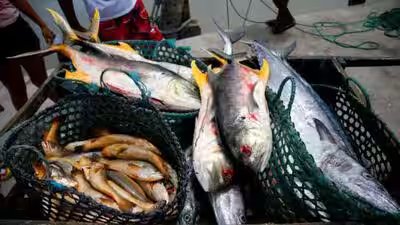
Scientists discover four dangerous fish bacteria in Brazil for the first time; one has jumped to a new host species

For the first time, Brazil faces a significant challenge as bacteria previously exclusive to Asia and the USA have been identified within its borders. These bacteria, known to cause columnaris disease, pose an acute risk to the thriving aquaculture sector. Researchers have isolated four species from the Flavobacterium genus, which can infect both Nile tilapia…

Read More

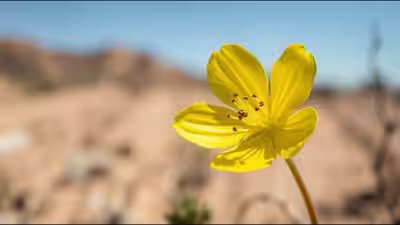
A rare yellow-flowered California plant unseen since 1957 has been rediscovered after 68 years |

Representative Image of a long-lost California wildflower found again after decades (AI-generated image) A small, yellow-flowered California native plant that had not been documented in nearly seven decades has been rediscovered in the hills of eastern Contra Costa County. The caper-fruited Tropidocarpum, last recorded in 1957, was found on March 3, 2025, by botanist Heath…

Read More

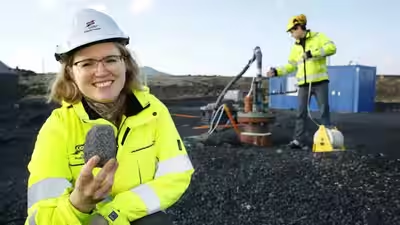
Scientists in Iceland are turning carbon dioxide into stone by injecting it into volcanic rock, and it could redefine the fight against climate change |

Edda Sif Pind Aradottir, a chemical and reservoir engineer and CEO of Carbfix, holds a sample of basalt rock at the Carbfix site in Iceland. Scientists in Iceland are demonstrating a groundbreaking way to tackle climate change by permanently turning carbon dioxide (CO₂) into stone deep beneath the Earth’s surface. Instead of storing captured CO₂…

Read More

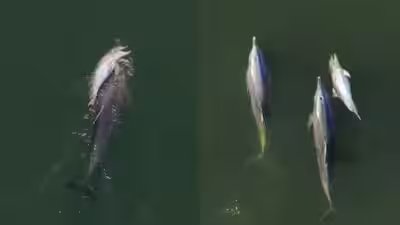
Watch: Viral video of dolphin carrying its dead newborn through the Indian Ocean reveals a deep and old ‘mourning ritual’

Fraggle, a grieving mother dolphin, carried her deceased calf for six days, a poignant testament to her profound maternal love. Captured by drone footage in the Indian Ocean, this heart-wrenching scene revealed the support of her pod, which gathered around her in solidarity during her mourning. This behavior, seen in over twenty cetacean species, underscores…

Read More

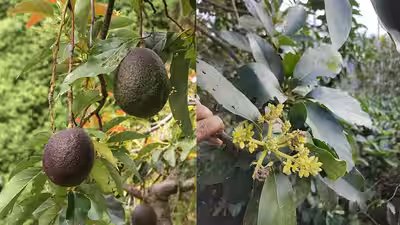
Scientists solve the 100-year-old mystery behind why avocado flowers change sex over two days |

For more than a century, avocado growers have known that not all avocado trees flower in the same way. Some trees produce flowers that function as females in the morning before becoming males the following afternoon, while others follow the opposite schedule. This unusual rhythm has long shaped how orchards are planted, with growers pairing…

Read More

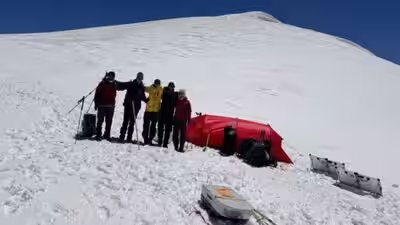
Scientists surveyed Turkey’s Mount Ararat glacier for the first time above 5,000 metres; the data will guide an attempt to recover its first ice core

The research team at 5,050 metres altitude (University of Munster photo) The glacier on Mount Ararat, Turkey’s highest mountain, has been surveyed for the first time as scientists race to study its shrinking ice before more evidence is lost.Researchers believe the shrinking glacier could preserve valuable information about both climate change and human history. While…

Read More

The largest ocean on Earth, bigger than all continents combined is shrinking slowly: Scientists claim it will lead to the formation of a new supercontinent ‘Amasia’

The world’s biggest ocean is also its most doomed one. Now, scientists are worried and they are blaming the tectonic plates for it all. The Pacific Ocean, which is the largest single feature on the surface of the Earth is slowly getting smaller and the irony of it all is as surprising as shocking. Diving…

Read More